

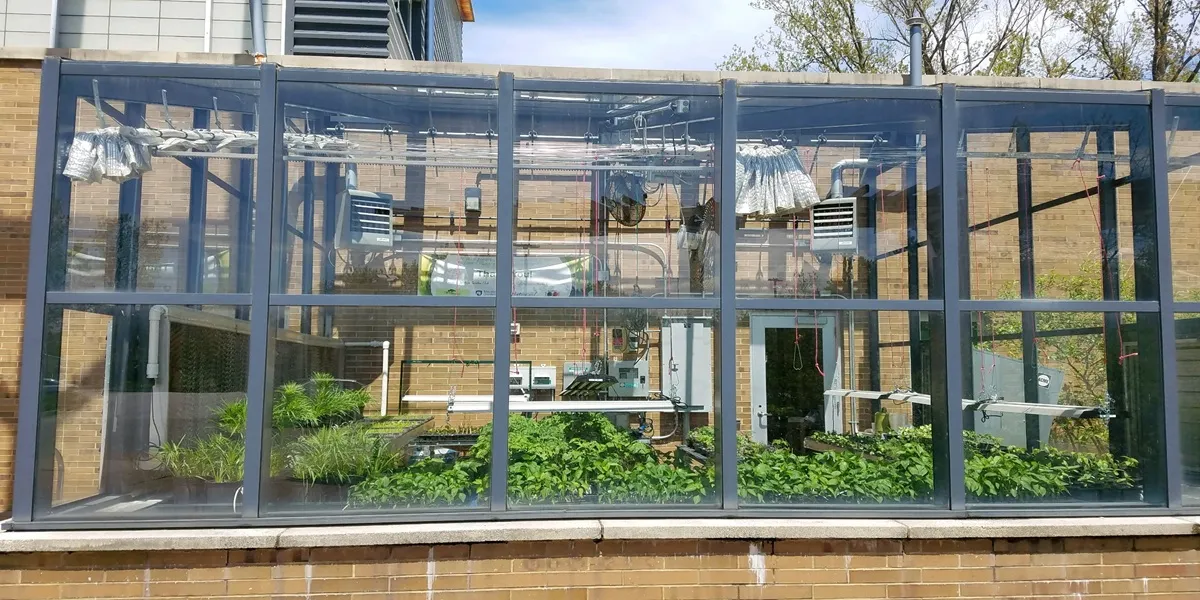
Success in greenhouse growing starts with the greenhouse systems and equipment, before seed selection or a feeding programme. If the infrastructure isn't designed properly, even the best genetics and the most professional crop management can't deliver consistent yields. Precise control of temperature, humidity, light, CO₂ and irrigation is no longer optional; it is a condition for survival in the competitive market for greenhouse produce. According to guidelines from leading universities such as Wageningen and research published by ASABE, optimising heating, ventilation and irrigation systems can cut energy use by up to 30% and noticeably increase production efficiency.
On this page you'll find a complete set of greenhouse systems and equipment selected according to current international technical standards, from heating and cooling systems to smart climate control and precision irrigation. If you want higher yields, lower energy costs and science-based greenhouse management, read on.
Greenhouse heating: how to achieve uniform, stable temperatures
In a well-designed set of greenhouse systems, heating is the first and most critical part of the infrastructure. Experience from projects delivered by Narvan Greenhouse shows that most winter yield losses are caused not by seed quality but by uneven temperature distribution across the greenhouse. According to Wageningen University standards, a temperature difference of more than 2–3 degrees between different points in the structure can disrupt uniform plant growth. For stable heating, the system should be chosen based on area, structure height and crop type:
| Heating system type | Suitable for | Main advantage | Key technical note |
| Hot-water boiler with perimeter piping | Multi-span greenhouses | Uniform heat distribution | Requires proper insulation |
| Gas unit heater | Medium-sized structures | Quick installation | Risk of local temperature differences |
| Underfloor heating | Seedling production | Stimulates root growth | Higher initial cost |
To reduce energy use:
- Use night thermal screens
- Install multi-point temperature sensors
- Service burners and heat exchangers annually
Getting heating right is the backbone of every other part of the greenhouse systems. When heat is managed properly, fuel consumption drops and crop quality rises noticeably.
Cooling and ventilation: controlling heat stress in hot seasons
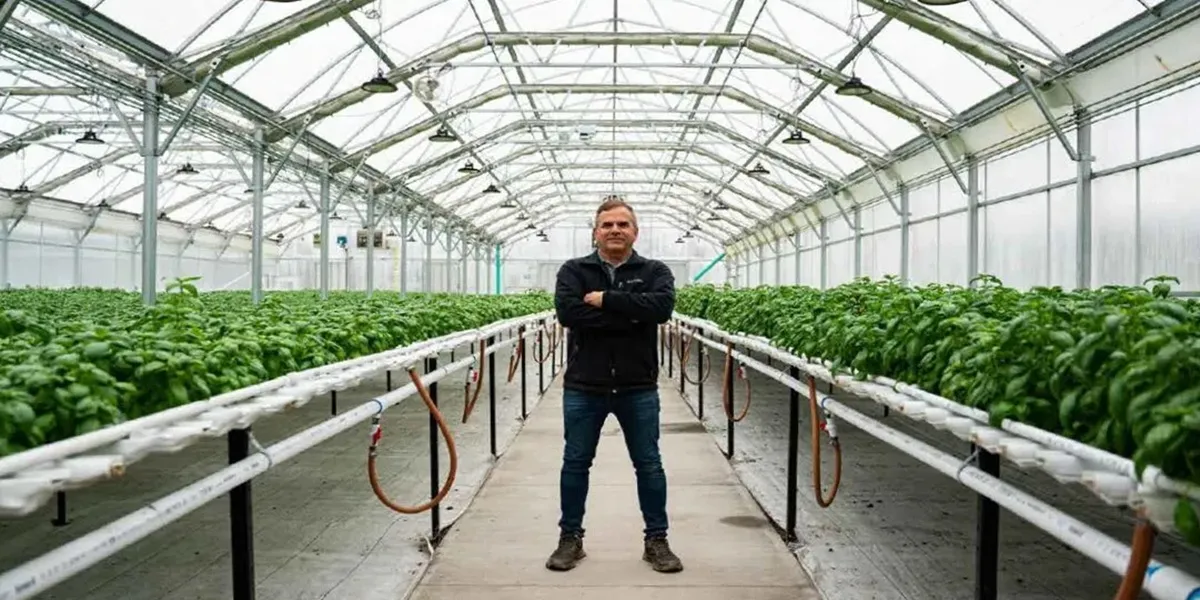
In hot climates, managing summer temperatures determines whether production succeeds or fails. When Order a Greenhouse cooling capacity must be designed for the region from the start, because fixing it later is costly. According to ASABE data, temperatures above 30 °C reduce pollination and yields in many vegetable crops. The most common systems used in greenhouse cooling include:
- Pad-and-fan system (8–12 °C cooling in dry conditions)
- Circulation fans for uniform airflow
- High-pressure fogging for controlled humidity
- Automatic roof vents in Venlo structures
System performance comparison:
| System | Suitable climate | Advantage | Limitation |
| Pad and fan | Dry regions | High cooling efficiency | Requires good-quality water |
| Fogging | Semi-arid regions | Humidity control | Depends on fine filtration |
| Roof ventilation | Temperate regions | Low energy use | Depends on natural wind |
Proper cooling design not only controls temperature but also reduces the spread of fungal diseases. Coordinating this part with the rest of the greenhouse systems keeps production stable on the hottest days of the year.
Smart climate control: precise management of temperature, humidity and CO₂
Today, modern greenhouses can't reach full productivity without smart climate control. Research shows that digital controllers can cut energy use by up to 20% while improving crop quality. In the analysis of Greenhouse Construction Cost, the share of automation may seem high at first, but it usually pays for itself within two to three growing seasons. In a professional set of greenhouse systems, climate control includes:
- Multi-point temperature and humidity sensors
- CO₂ sensor
- Timers and central controller
- Integration with heating, ventilation and irrigation
Features of a standard system:
| Capability | Purpose |
| Automatic temperature control | Prevents heat shock |
| Relative humidity control | Reduces fungal disease |
| CO₂ injection | Boosts photosynthesis and growth |
Precise climate control takes the guesswork out of greenhouse management. Aligning environmental data with equipment operation raises the efficiency of the whole system and makes all greenhouse systems work as one.
Irrigation and fertigation: from drip to precision fertigation
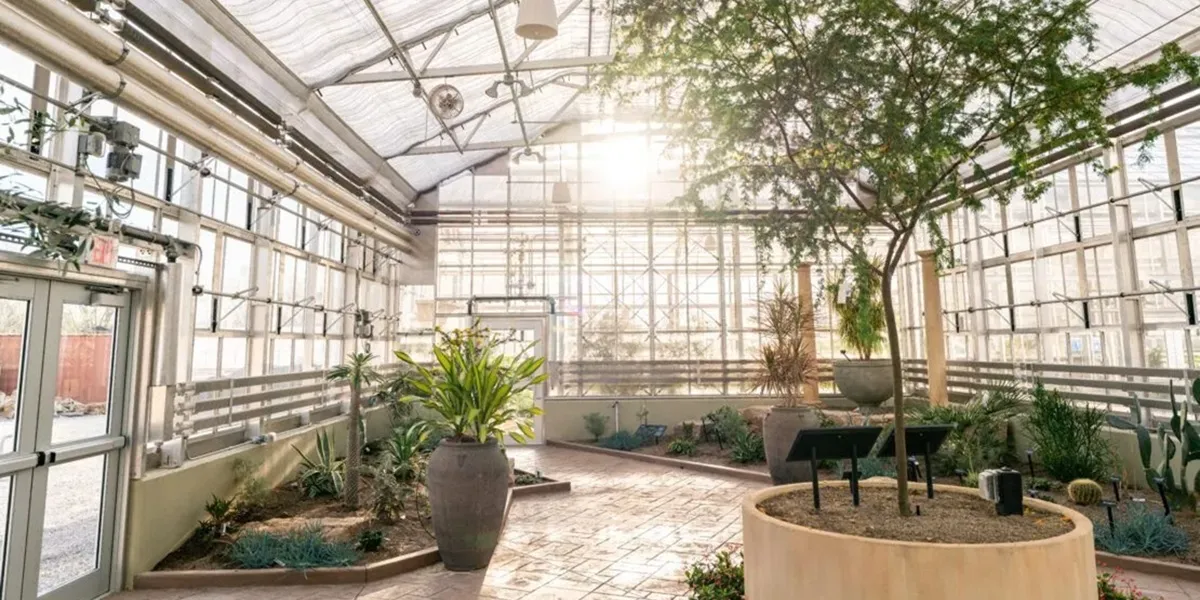
Water management in a greenhouse is more than irrigation; it combines accurate flow, water quality and science-based nutrition. In a professional greenhouse design, the irrigation system should be chosen based on the growing medium and plant needs. According to the FAO, drip irrigation can cut water use by up to 40% while improving distribution uniformity.
Main components:
- Pump sized to the growing area
- Sand and disc filters to prevent clogging
- Fertiliser tank and injection system (venturi or dosing pump)
- Standard polyethylene pipes
Comparison of methods:
| Irrigation method | Advantage | Main use |
| Drip | Efficient water use | Soil growing |
| Fertigation | Precise nutrition | Hydroponics |
| Root misting | Uniform moisture | Seedlings and cuttings |
Alongside the right choice, monitoring the EC and pH of the nutrient solution is essential. Greenhouse cooling and ventilation systems perform best when irrigation is also managed precisely, because excess moisture can upset the climate balance. A coordinated irrigation design completes the rest of the greenhouse systems and safeguards final crop quality.
Structure and covering: the infrastructure everything depends on
The structure and covering are the backbone of any greenhouse, and their quality directly affects every other part of the greenhouse systems. A well-built structure not only withstands wind and snow but also allows heating, cooling and irrigation systems to be installed correctly. When choosing a structure, consider the following:
- Structure type: tunnel, multi-span, Venlo or arched
- Covering material: polyethylene, polycarbonate or glass
- Covering thickness and clarity: for sufficient light and lower heat loss
| Covering type | Advantage | Approximate lifespan | Purpose |
| Polyethylene | Economical, easy to install | 3–5 years | Short-term crops |
| Polycarbonate | Impact-resistant, thermally insulating | 10–15 years | Professional growing |
| Glass | Excellent light transmission | 20–30 years | Crops with high light needs |
Key point: correct covering installation together with shading systems and thermal screens improves heating and cooling efficiency and works in full harmony with the other greenhouse systems.
Essential accessories: the details that make a difference
Accessories may look minor, but they play a vital role in how greenhouse systems perform. This category includes tools that make the main systems more efficient and prevent potential damage.
- Shading and energy screens: lower heating and ventilation demand
- Disinfection fogging system: humidity and fungal disease control
- Growing benches and plant-support equipment: order and easier work for staff
Benefits of accessories:
| Equipment | Advantage | Practical note |
| Energy screen | 20–30% lower energy use | Installation with automatic control recommended |
| Disinfection fogger | Less disease | Requires treated water |
| Support wires and hooks | Prevents plant damage | Suitable for row crops |
These small items noticeably improve the quality and efficiency of the whole greenhouse system and keep performance optimised throughout the growing season.
Energy optimisation: lower costs without lower yields
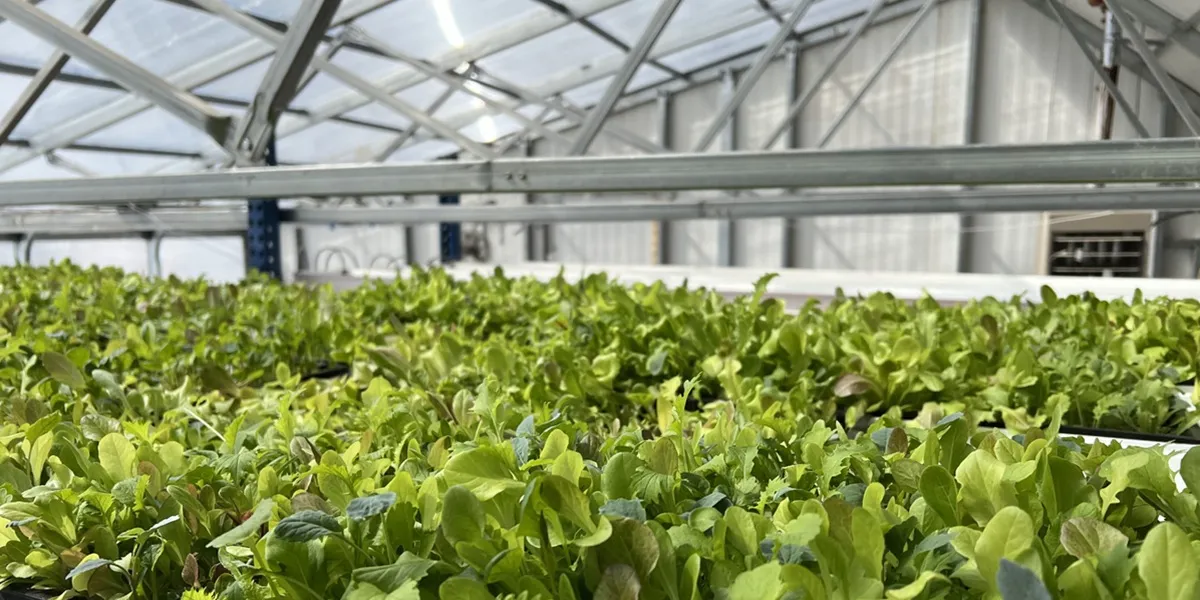
One of growers' main challenges is high energy use in heating, cooling and ventilation. Energy optimisation means lower costs without lower crop quality, and it is directly linked to greenhouse systems and equipment.
Key solutions:
- Night thermal screens to reduce heat loss
- Heat and energy recovery in the heating system
- Roof and wall insulation to reduce heat exchange
- Smart control systems to coordinate equipment
| Optimisation method | Impact | Implementation note |
| Thermal screen | 20% lower fuel use | Install on the roof and side walls |
| Heat recovery | 10–15% higher efficiency | Connect to the central heating system |
| Insulation | Less energy waste | Choose materials with low thermal conductivity |
By applying these principles, operating costs fall, equipment lasts longer and the whole chain of greenhouse systems works in full coordination.
Technical standards and buying tips for greenhouse systems and equipment
Buying greenhouse equipment on price or brand alone is not enough. Checking technical standards and component quality is what guarantees reliable performance. Before buying any system, consider the following:
- Material and build quality: durable aluminium or galvanised steel for long life
- Warranty and after-sales service: to ensure repair and maintenance
- Compatibility with other equipment: heating, cooling and irrigation must work together
Following these standards optimises your investment in greenhouse systems and equipment and reduces the risk of human or technical error.
Final word: informed choices mean a sustainable future for your greenhouse
Ultimately, what turns an ordinary greenhouse into a profitable, sustainable production unit is careful decision-making about its systems and equipment. The right equipment is not just an upfront cost; it is a direct investment in crop quality, lower energy use and science-based production management. Efficient heating, sound ventilation, smart climate control and precise irrigation form one connected chain: if one link is weak, the whole operation suffers.
Research shows that integrated climate management can increase yield per unit area while significantly reducing water and energy use. So equipment should be chosen based on technical analysis, local climate, crop type and production goals, not on price alone. In this section we have brought together a complete, standards-based range of greenhouse systems and equipment to make your choice simpler and more professional. If you're looking to take your greenhouse to the next level, now is the time for a careful, well-founded decision.
FAQ about greenhouse systems and equipment
1. What type of structure suits a greenhouse?
It depends on your crop, local climate and budget. Tunnel structures are recommended for short-term crops, and multi-span or Venlo structures for professional production.
2. Is a smart control system necessary?
Yes. Controlling temperature, humidity and CO₂ improves efficiency, reduces energy use and helps all equipment work together.
3. What does a thermal screen do?
A thermal screen reduces heat loss at night and the load on heating and cooling systems, cutting energy use by 20–30%.
4. Which crops is a fogging system recommended for?
Fogging is used to reduce fungal diseases and create uniform humidity in vegetable greenhouses and for sensitive seedlings.
5. How can energy costs be cut without lowering yields?
Thermal screens, heat recovery, standard insulation and smart control systems reduce energy costs without lowering crop quality.